

2026 Ford Explorer vs. 2027 Kia Telluride: Which 3-Row SUV Is the Safer Long-Term Bet for Upstate SC
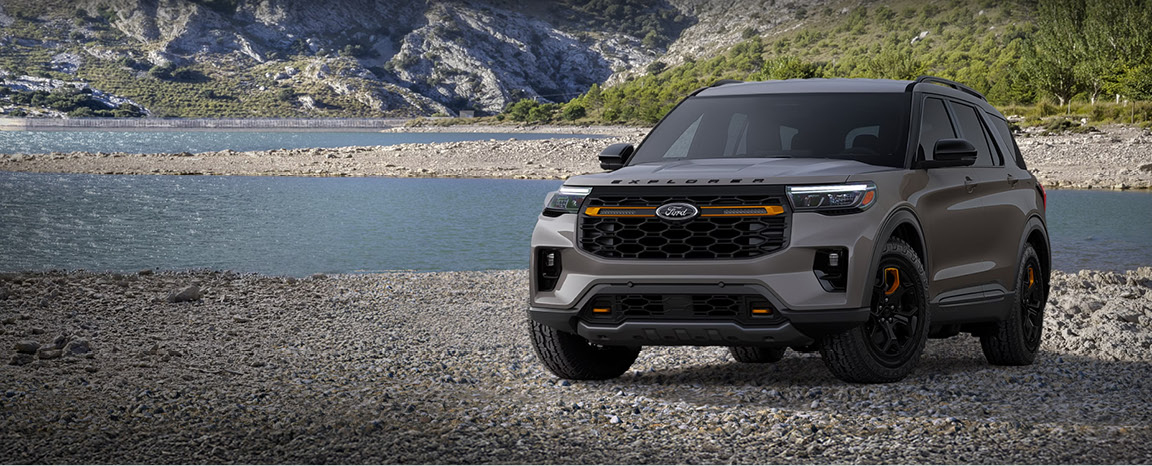
If you are shopping new in mid-2026 and care most about long-term predictability, the Ford Explorer is the safer bet. The current Explorer design has been in the real world since 2020, while the current Telluride is all-new for 2027 and already has early recall activity on the federal record. The Telluride still has real advantages in passenger packaging and cargo space.
That matters in Upstate South Carolina because family use here is rarely gentle. Around Greer, Greenville, Spartanburg, Easley, Simpsonville, and Mauldin, your 3-row SUV may spend the week on Wade Hampton Boulevard and I-85, then head toward the Blue Ridge Parkway, Lake Hartwell, or Lake Keowee on the weekend.
At D&D Ford Motors, the smarter way to answer this comparison is not by repeating internet reputation talk. It is by looking at four things that actually shape long-term ownership: current-design maturity, official problem history, service access, and how the SUV fits your family's real Upstate routine.
What does the official record say about Explorer vs. Telluride reliability?
The current Explorer design dates to 2020, while the current Telluride is already all-new for 2027.
A long-term reliability decision starts with two different risk profiles. Ford's current Explorer design has been on the road since the 2020 model year, while Kia's current Telluride on the U.S. site is the all-new 2027 SUV. That does not make the Explorer flawless, but it does make it the more mature current design.
The table below uses current official Ford and Kia specifications for the vehicles you can actually shop now.
What that means for you is pretty simple:
- Explorer's advantage: You are buying into a current design that has already lived through its early launch years.
- Telluride's advantage: It uses its space better when all rows are in use, and that matters for real family packing.
- Shared strength: Both can handle a 5,000-pound towing task when properly equipped, so neither is out of the conversation for a light camper or boat trailer.

Why can service access matter as much as the repair history?
The easier SUV to keep on schedule often becomes the easier SUV to own for 8 or 10 years.
Long-term reliability is not just what can go wrong. It is also how easy the vehicle is to keep maintained, repaired, and back on the road. Ford and Kia both direct owners to follow factory maintenance schedules, but an Explorer bought in Greer comes with a simpler local path: sales, scheduled service, recall work, and many routine jobs through one Ford store.
That matters more than many buyers realize:
- One local relationship: D&D Ford Motors gives you a single Greer home for sales, service, and factory-trained Ford support.
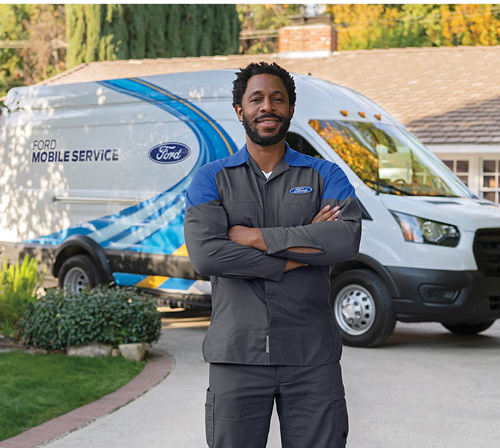
- Mobile-service convenience: D&D's Ford Mobile Service page lists routine maintenance, brakes, batteries, tire rotations, wipers, diagnostic scanning, software updates, and some recall-related work.
- Paper trail matters: Ford says keeping up with scheduled maintenance and retaining records can help protect value when you sell or trade later.
- Telluride ownership reality: Kia also pushes owners toward scheduled maintenance and dealer service tools, but that means building a different service relationship outside the D&D Ford Motors ecosystem.
That is why I would not pretend there is a clean universal maintenance-cost winner here. What is provable is that service access, downtime, records, and convenience are part of long-term reliability in the real world.
If you are comparing this decision against what you drive now, the first smart move is figuring out what your current SUV is worth.
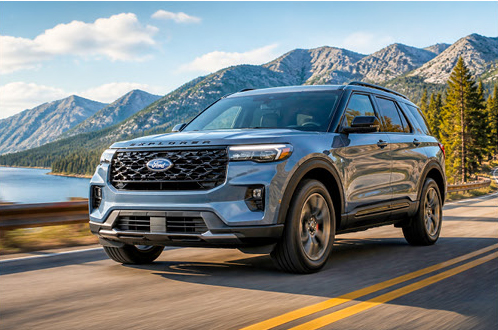
Which SUV fits Upstate SC family life better day to day?
Telluride gives you more cargo and an eighth seat, while Explorer stays stronger on maturity and local ownership ease.
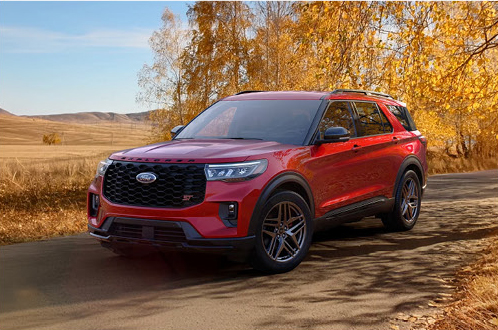
For pure space efficiency, the Telluride has the cleaner family-hauler argument. Official Kia specs give it more room behind the third row, slightly more third-row legroom, and available eight-passenger seating. The Explorer answers with equal towing, more standard horsepower, and a current design that is already several years past first-year launch risk.
In real Upstate use, that split shows up pretty clearly:
- Telluride fits better if your daily life is stroller-heavy, sports-bag-heavy, and you often keep every row in use. The extra cargo room behind the third row is real.
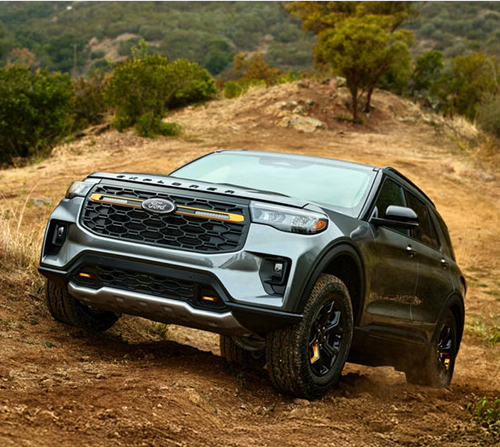
- Explorer fits better if your family does a mix of school-run duty and weekend towing toward Lake Hartwell or Lake Keowee, where equal tow rating plus a more mature current design matters more than one extra seat.
- Explorer also fits better if you want your service and recall support anchored in Greer instead of scattered across a different brand relationship.
- Telluride deserves credit for family packaging, because a roomier third-row cargo setup is not a small advantage for real households.

Should long-term reliability alone decide between Explorer and Telluride?
The smarter Upstate decision is design maturity plus service access plus family fit, not one reputation metric.
No. Reliability should influence the decision, but it should not overpower the whole ownership picture. If your priority is current-design maturity, local Ford service access, and a 3-row SUV that can handle daily Upstate commuting plus lake and mountain weekends, the Explorer makes the stronger case. If your priority is maximizing cabin and cargo packaging, the Telluride still deserves real credit.
D&D Ford Motors is located at 13655 East Wade Hampton Blvd. in Greer, and the dealership's official about page says the store has been family-owned and serving the Upstate since 1937.
Call D&D Ford Motors at (864) 877-0711 to compare the Explorer in person and talk through which model year makes the most sense for how your family actually drives.