Blog

Is a Mid-Size Truck Actually Enough? What the 2026 Ford Ranger Means for Students in Upstate SC

You're heading into a new school year, and one question matters before you sign anything. Do you need a full-size truck, or can a mid-size handle everything you'll actually throw at it? Work that out first.

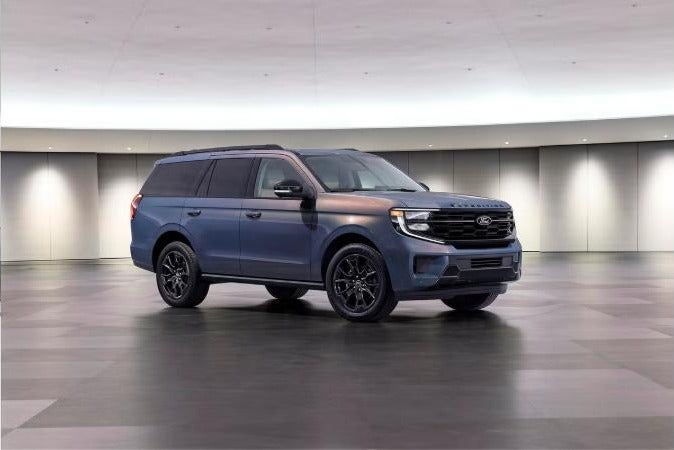
The 2026 Ford Ranger lands between the compact Maverick and the full-size F-150, and for most Upstate SC students, that middle lane is exactly where you want to be. It parks like a normal vehicle, hauls everything you'll move between apartments, and still handles a weekend run toward Caesars Head when the semester finally gives you a break. The full answer takes a few minutes to work through, so let's do it right.

The Ranger's mid-size footprint works in your favor. For a student who needs to haul gear, manage fuel costs, and still fit in a campus parking deck, it's the deliberate pick.

How Does Mid-Size Truck Sizing Actually Work?

Mid-size trucks answer a different design brief than full-size trucks, built around a set of priorities all their own, so the 2026 Ranger gives you most of a full-size truck's usefulness with far less of its bulk, which is exactly the logic its spec sheet spells out. Read the numbers and the logic shows.

Under the hood sits a turbocharged 2.3-liter EcoBoost four-cylinder making 270 horsepower and 310 lb-ft of torque, paired with a 10-speed automatic. Think of it as a genuine truck engine with genuine torque, well clear of anything you'd call an economy-car unit. An available 2.7-liter EcoBoost V6 pushes output to 315 horsepower and 400 lb-ft on XLT and Lariat trims if you want more pull, though most students will never reach for it. The 2.3L takes I-85 on-ramps, loaded beds, and mountain grades in stride.

The bed earns more attention than most truck comparisons give it. Ford lists the 2026 Ranger Styleside bed at 59.6 inches of floor length and 48.2 inches between the wheelhouses, with a total cargo volume of 43.5 cubic feet. Six tie-down hooks come standard. You can lay a standard sheet of plywood flat between the wheelhouses, and that counts when you're furnishing a first apartment.

The 2026 Ranger comes in just one cab configuration, a four-door SuperCrew. Rear passengers get genuine legroom, and the rear seats fold flat when you need interior cargo space instead.

Line up the three Ford truck sizes and they separate cleanly on the specs that matter for a student running between Greer, Greenville, and Spartanburg.

FeatureFord Maverick (2.0L Gas)2026 Ranger (2.3L 4x2)Ford F-150 (2.7L base 4x2)
Horsepower250 hp270 hp290 hp
Max Tow (equipped)4,000 lbs7,500 lbs8,200 lbs
Max Payload~1,500 lbs1,767 lbs~2,000 lbs
Bed Floor Length54 in (4.5 ft)59.6 in (~5 ft)66 in or 78 in
Ground Clearance8.3 in9.3 in~9.4 in (config-dependent)
EPA Combined (2WD)~22 mpg~23 mpg~20 mpg
CabSuperCrew onlySuperCrew onlyMultiple configs

The Maverick wins on purchase accessibility and the Hybrid version's fuel economy. On maximum tow and payload numbers, the F-150 pulls ahead. The Ranger sits in the middle, giving you genuine mid-size capability without full-size bulk.

Which One Do You Actually Need Here in Upstate SC?

Match the truck to how you'll actually load it and the answer sorts out fast, because a compact truck handles dorm furniture and outdoor gear while a loaded trailer or summer landscaping runs are what push you toward the Ranger's higher tow and payload ceiling. Most buying guides list specs and stop.

Say your biggest load is a dorm room's worth of furniture, a mountain bike, and a kayak for an afternoon on Lake Hartwell. The Ford Maverick covers that fine, and we'll say so plainly because it's true.

The Maverick is a capable compact truck. The hybrid powertrain is efficient.

But the moment your use case shifts toward hauling a loaded utility trailer for a part-time contracting job, towing a small camper, or carrying landscaping material during the summer, the Ranger's 7,500-pound tow ceiling (with the available Trailer Tow Package) and 1,767-pound payload capacity give you room the Maverick simply doesn't have.

A few Upstate SC factors don't show up on the spec sheet.

  • Parking reality: The Ranger's SuperCrew body is meaningfully shorter overall than an F-150 SuperCrew. Campus parking decks near Greenville and on-street spots around Spartanburg were designed before the current generation of full-size trucks. A Ranger fits without drama. An F-150 SuperCrew in a tight deck is a weekly commitment.
  • Foothills terrain: The gravel and dirt access roads near Paris Mountain State Park and the routes that climb toward Caesars Head are paved and mostly gentle, but the Ranger's 9.3 inches of ground clearance keeps the truck composed on rough shoulders and unpaved pull-offs. Add the optional FX4 Off-Road Package and you get all-terrain tires and a steel bash plate for anything more serious.
  • Winter on the plateau: Upstate SC doesn't get heavy winter, but late-January ice events on the higher terrain toward the Blue Ridge are real. The Ranger's optional 4x4 system is selectable on demand rather than permanent, so it doesn't cost you fuel economy in dry conditions.

One downside worth saying out loud is ownership cost. The Ranger costs more to own than the Maverick. Fuel economy trails the Maverick Hybrid by a wide margin, and insurance on a mid-size pickup runs higher than on a compact. If your budget is tight and your hauling is genuinely light, the Maverick is the smarter financial choice. The Ranger earns its premium only when your use case actually needs the extra capability ceiling.

The XLT trim is where we'd steer most students. It adds a 10-inch SYNC 4A touchscreen, wireless Apple CarPlay and Android Auto, standard across the 2026 Ranger lineup, available dual-zone climate control, and wireless charging. The XL saves money but feels closer to a work truck. The Lariat steps up nicely, though it's more truck than a first-year student's budget usually needs.

A plain-English glossary of terms on the window sticker:

TermWhat it actually means
EcoBoostFord's turbocharged, direct-injection engine family; more power per liter than older naturally-aspirated engines
4x4 / 4WDPower delivered to all four wheels; selectable on demand, not always-on
FX4 Off-Road PackageFactory upgrade adding all-terrain tires, steel bash plate, locking rear differential, and hill descent control
Pro Power Onboard (400W)Available in-bed outlet; powers small tools, a laptop, or camp lighting without a generator
SYNC 4AFord's current infotainment system; supports wireless CarPlay, Android Auto, and over-the-air software updates

What This Means for Your Next Truck Decision

Start with the way you'll actually use the truck, not the way you imagine you might, because that single read decides far more than any spec line, and it points cleanly toward either the Ranger or the Maverick for how you live in Upstate SC. If you'll really haul a trailer, use the bed for work or serious outdoor trips, and want a truck that doesn't need replacing in two years, the 2026 Ranger is sized right for the next decade. Need something that parks anywhere and sips fuel? The Maverick is the place to start.

Working with buyers from Greer to Spartanburg, we keep coming back to one point about the Ranger. Buying for the capability ceiling hands you headroom you don't have to think about again. The five-foot bed, 270-hp engine, and SuperCrew cab add up to real truck utility in a footprint that fits Upstate SC life.

Both the Ranger and the Maverick are on our lot. The team at D&D Ford Motors, serving the Carolinas since 1937, will put you in both back-to-back so you can feel the difference rather than just read about it.

By the D&D Ford Motors Team | August 2026

Frequently Asked Questions

Does the 2026 Ford Ranger have enough room for four people on a road trip?

Yes. Every 2026 Ranger comes in the SuperCrew four-door configuration, giving rear passengers real legroom in a proper second row. Ford designed the rear seats to fold flat too, so when you're running solo and need interior cargo space, the cabin opens up. Four adults making a run up the Cherokee Foothills Scenic Highway on SC-11 ride comfortably.

Is the 2026 Ford Ranger good on fuel for a student budget?

Expect honest mid-size economy, not outstanding numbers. The EPA rated the 2026 2.3L Ranger at 21 city and 26 highway in two-wheel-drive form, with 19 city and 26 highway with 4x4. Those numbers beat a full-size F-150 but trail the Maverick Hybrid by a meaningful margin. If fuel economy is your top priority, give the Maverick Hybrid a serious look before you decide. If you need the Ranger's tow and payload capability and can live with those mpg figures, it's a reasonable trade-off for a truck that earns its keep over years of use.

D&D Ford Motors

13655 E Wade Hampton Blvd, Greer, SC 29651

(864) 877-0711

Recommended Posts

Ford Truck Cab and Bed Size

Ford Truck Cab and Bed Size Guide

For most Upstate households, the F-150 SuperCrew is the easiest Ford truck to live with every day, with a bed short enough for tight parking and long enough for weekend gear. Pick a Regular Cab with an 8-foot bed when cargo length matters most, and step up to a Super Duty when your work calls for heavier equipment. Two choices shape every truck: the cab, which sets passenger room, and the bed, which sets cargo space. Start with your daily routine, because that's what decides it. If people ride along most days, the cab comes first. If gear rides along most days, the bed comes first. Cab Styles at a Glance Ford builds its F-Series trucks in three cab styles. The Regular Cab is a single row built around cargo, the SuperCab adds an extended rear area, and the SuperCrew gives rear passengers the most room. On the Super Duty, you'll see the same three styles, with Crew Cab as the counterpart to the SuperCrew. F-150 Combinations Each 2026 F-150 cab pairs with specific bed lengths, and the wheelbase changes with the combination: Cab Bed Inside Bed Length Wheelbase Regular Cab 6.5-foot 78.9 in 122.8 in Regular Cab 8-foot 97.6 in 141.5 in SuperCab 6.5-foot 78.9 in 145.4 in SuperCrew 5.5-foot 67.1 in 145.4 in SuperCrew 6.5-foot 78.9 in 157.2 in The 5.5-foot SuperCrew is the compact pick for tight parking and daily errands. A 6.5-foot SuperCrew adds bed length for a weekend of gear and keeps the full rear seat. If you haul sheet goods and long loads, the 8-foot Regular Cab is the one for you. Meet the 2026 F-150 to see how these combinations look in person. Ranger, Maverick and Super Duty The 2026 Ranger comes as a SuperCrew with a bed floor about 59.6 inches long and a 128.7-inch wheelbase, a manageable size for city streets and trailheads. See it on our 2026 Ranger page. The Maverick keeps things compact with a 4-foot-5-inch bed that suits errands and bikes. It carries up to 1,500 pounds. Compare it on the 2026 Maverick page. On the Super Duty side, the beds are 6.75 feet or 8 feet. Work-minded buyers can start with the 2026 Super Duty, where the Regular Cab comes with the 8-foot bed. Choosing a Size for Life in Greer Think about where the truck spends its week. Parking near Trade Street and the Greer Station area in downtown Greer rewards a shorter wheelbase, and a school pickup line or a Saturday at Greer City Park does too. A 6.5-foot SuperCrew has room for bikes and camping gear on a weekend at Lake Robinson, and the Maverick fits the commute to Greenville. Contractors and landscapers who work between Greer and Spartanburg often lean toward the 8-foot bed or a Super Duty, since long loads and heavy gear ride along most days. Wherever you land, the choice comes down to the routes and routines you already have. Payload, Towing and Parking Capability depends on more than size. Maximum towing and payload are separate numbers, and each depends on the engine and on the equipment on the truck. The door jamb label on the exact truck shows its payload. Our F-150 towing guide goes deeper on the numbers. A longer wheelbase also means a longer truck to park and turn, so match the size to your driveway and to the places you drive most. Cab and Bed Questions What is the difference between a SuperCab and a SuperCrew? A SuperCab has an extended rear area for occasional passengers and gear, and a SuperCrew gives rear passengers the most room. On the 2026 F-150, the SuperCab pairs with the 6.5-foot bed, while the SuperCrew offers that bed or a shorter one. What bed lengths does the F-150 come in? The 2026 F-150 comes with three bed lengths, and the cab you choose decides which are open to you. Lengths run from 5.5 feet to 8 feet. The Regular Cab takes either of the longer two, and the SuperCrew takes either of the shorter two. Which Ford truck has the shortest bed? The Maverick has the shortest bed at 4 feet 5 inches, and it handles daily driving and errands well. Among the larger trucks, the 5.5-foot bed on the F-150 SuperCrew is the shortest. Both suit drivers who park in tight spots, like downtown Greer. Which cab does the 2026 Ranger come with? The 2026 Ranger comes as a SuperCrew with a Styleside bed and a 128.7-inch wheelbase. That gives every Ranger buyer a four-door cab and one wheelbase to learn. Trims differ in equipment and capability, and we'll gladly walk you through what you'll get. Does a longer bed mean more towing capacity? Bed length is one factor among many. Towing capacity depends on the engine and axle plus any equipped packages, and each maximum figure belongs to its own configuration. Tell us what you tow, and we'll pull the numbers for the exact truck. Which Ford trucks offer an 8-foot bed? The F-150 Regular Cab offers an 8-foot bed, and the Super Duty offers one too. That long bed is the choice for sheet goods and long loads. If you carry that kind of cargo often, ask us to line up both for a side-by-side look. See the Sizes in Person Numbers help, and sitting in the truck helps more. Stop by whenever it suits you, or schedule a test drive to feel how each cab and bed fits your life. You'll find us in Greer, between Greenville and Spartanburg.

How Ford BlueCruise Works for Upstate SC Drivers

How Ford BlueCruise Works for Upstate SC Drivers

Picture a long, steady stretch of interstate like I-85 on the drive home to Greer while traffic flows and your hands rest in your lap. It's the moment many shoppers wonder how much help a Ford can give them behind the wheel. Ford BlueCruise is an optional driver-assist system that allows hands-free driving on prequalified divided highways called Blue Zones. You keep your eyes on the road and stay ready to take control at any moment. It needs BlueCruise hardware chosen at purchase and an active plan after the included trial. What BlueCruise Does on the Highway BlueCruise builds on adaptive cruise control and lane centering. On a Blue Zone highway it steers and holds your lane while managing your following distance, and the instrument panel turns blue with a hands-free icon so you know it's active. A driver-facing camera watches your eyes the whole time, which keeps you in the driver's seat in every sense, and that's by design. Think of BlueCruise as a very good highway helper while you remain the driver. Which Fords Offer BlueCruise BlueCruise is available on the Mustang Mach-E, F-150, F-150 Lightning, Expedition and Explorer. Availability varies with the model year and configuration, and the hardware is chosen when the vehicle is built. That's why each vehicle is worth checking on its own. Start with the models most Upstate shoppers ask about: the 2026 F-150 and the 2026 Explorer, along with the 2026 Expedition. Mach-E and Lightning shoppers can ask us about the electric lineup. BlueCruise on Upstate Roads Blue Zones are prequalified divided highways, and your Ford's connected maps show when the road qualifies. Greer drivers spend a lot of time on I-85, which passes just south of town on its way between Charlotte and Atlanta, so it's worth asking how the system fits your own commute. Whether you head toward Greenville, Spartanburg or the airport, the in-car display confirms each stretch as you go. Local weather plays a part too. Upstate winters stay mild, with January highs near 53, and summer afternoons run close to 90. Heavy rain, fog or glare can limit the system, and we'll cover those conditions below. Blue Zones and Road Conditions Hands-free driving works on controlled-access divided highways that Ford has prequalified, and the system needs its sensors to see clear lane markings. Some conditions limit it. Snow, heavy rain and fog can keep BlueCruise from working, and so can glare from direct sun or wet pavement. Faded or missing lane markings and merging lanes can keep it from engaging, and construction zones or sharp curves can make it disengage. Plans, Trials and Staying Active A BlueCruise-equipped Ford can come with a trial that begins at the warranty start date. After it ends, you'll need an active plan to keep using the feature, and plans stay with the person who bought them. You can see your plan status and start date in the Connected Services tile of your Ford Account, and the Ford app handles activation. Your Job Behind the Wheel On a Blue Zone, hands-free means your hands can leave the wheel while everything else stays with you. Keep your eyes on the road, keep your face visible to the camera and be ready to steer at a moment's notice. If the system warns you, take off sunglasses and anything else covering your eyes. Planning a lift or other suspension upgrade? Aftermarket suspension kits are incompatible with BlueCruise, so you'll want to talk with the DDCustoms team before you build. BlueCruise Questions Which Fords offer BlueCruise? Several Ford models offer BlueCruise, including the F-150 and the Explorer, and the hardware is chosen at purchase. Availability varies with the model year and configuration. Tell us which model interests you, and we'll help you compare specific vehicles. Do I still have to pay attention with BlueCruise? Yes. BlueCruise is a driver-assist feature, so you keep your eyes on the road and stay ready to take control of the wheel. A driver-facing camera monitors your attention, and the system expects a clear view of your eyes at all times. Does BlueCruise need a subscription? BlueCruise needs an active plan once any included trial ends. That trial begins at your warranty start date, and plans stay with the buyer. Your Ford Account shows your plan status, and our team can walk you through the current plan options when you shop. How can I tell if a Ford has BlueCruise? Ask our sales team about the vehicle you're considering, since the hardware is chosen when the Ford is built and we'll check it for you. Owners can also check the Connected Services tile in their Ford Account, which shows BlueCruise status and the start date of the plan or trial. Can weather affect BlueCruise? Yes. Snow, fog and heavy rain can limit BlueCruise, and so can glare from direct sunlight or wet roads. Faded lane lines and patchy shade can affect the sensors too. When conditions change, the system asks you to drive, so stay ready. Do suspension upgrades affect BlueCruise? Aftermarket suspension kits are incompatible with BlueCruise, so a lift can take the feature out of the picture. If you plan to customize a BlueCruise Ford, talk with our team in Greer first and decide which matters more to you. See BlueCruise in Person Whenever you'd like to see which Fords on our lot carry BlueCruise, browse new Ford inventory and mention it to us, and we'll check each vehicle for you in Greer. You can also schedule a test drive to get comfortable with the display at your own pace.

Ford Warranty and Protection Guide for Greer, SC Drivers

Ford Warranty and Protection Guide for Greer, SC Drivers

Three programs often get mixed up. Ford's New Vehicle Limited Warranty comes from Ford and covers factory defects. The True Blue Warranty comes from D&D Motors on eligible new Fords. Ford Protect is a Ford service plan you can add through a dealer. Each program has its own terms, and the provider holds the controlling documents. Three Programs, Three Providers Start by knowing who stands behind what, because that one answer clears up most of the confusion. Ford backs the factory warranty and Ford Protect, while D&D Motors backs the True Blue Warranty. When a question comes up about a repair, the answer starts with which program applies, and we're happy to help you sort that out. Ford's New Vehicle Limited Warranty Every new Ford comes with factory coverage, and here's how the 2026 terms look: Coverage Term Bumper to bumper 3 years or 36,000 miles Powertrain 5 years or 60,000 miles Safety restraint system 5 years or 60,000 miles Corrosion (perforation) 5 years, any mileage Hybrid and electric unique components 8 years or 100,000 miles Roadside assistance 5 years or 60,000 miles Whichever limit arrives first ends the coverage. Maintenance, such as oil changes and tire rotations, sits outside the factory warranty, and so does replacement of parts that wear out normally. Our new Ford inventory is the place to start for a Ford that carries these terms. Coverage for Miles on Upstate Roads Upstate miles add up quickly. Between commutes on US 29 and I-85, errands around Greer and weekend trips to Lake Robinson, a Ford in this area can pile up miles, so it helps to watch both the years and the miles in each term. D&D Motors has been serving Greer since 1937, and our Service Department in town handles the scheduled maintenance that keeps your coverage in good standing. True Blue Warranty From D&D Motors The True Blue Warranty is our 10-year, 200,000-mile program on eligible new Ford purchases. It begins after Ford's new vehicle warranty and any other applicable warranties expire, and it covers oil-lubricated engine parts and the internal parts of the transmission, including its seals, gaskets and torque converter. The warranty belongs to the owner named on the certificate, and it stays with that owner. Scheduled True Blue service follows the maintenance schedule at D&D Motors, which is how the coverage stays active. Vehicles that have been modified or used for competition or commercial events aren't eligible. Our True Blue Warranty page is the detailed source for the program. Ford Protect Service Plans Ford Protect offers extended service plans backed by Ford Motor Company, sold through Ford dealers. Plans include PremiumCARE for repairs and Premium Maintenance for scheduled service, with versions for electric vehicles. Plans provide up to 8 years and 150,000 miles of coverage, depending on the plan you choose. See the options on our Ford Protect page. Side-by-Side at a Glance Program Who provides it When it applies Where the terms live New Vehicle Limited Warranty Ford From the warranty start date, for the stated years or miles Ford warranty guide for your year and model True Blue Warranty D&D Motors After Ford's new vehicle warranty expires Your True Blue certificate Ford Protect Ford Based on the plan you buy Your Ford Protect contract Where to Find Your Controlling Terms The written terms decide every question, so keep them close. You can look up your Ford's warranty guide by VIN, or by year and model, on Ford's warranty guide page. Keep your True Blue certificate with your vehicle records, and hold on to your Ford Protect contract if you buy a plan. Our team can help you find any of them, and we'll gladly walk you through what you're reading. Warranty Questions What does Ford's factory warranty cover? Ford's 2026 factory warranty covers defects in materials and workmanship, with bumper to bumper at 3 years or 36,000 miles and powertrain at 5 years or 60,000 miles. Safety restraints, corrosion and roadside assistance have their own terms in the warranty guide for your Ford. When does True Blue Warranty coverage begin? Coverage begins after Ford's new vehicle warranty and any other applicable warranties expire. The program runs 10 years or 200,000 miles on eligible new Ford purchases, and the certificate shows the owner's expiration date. Scheduled True Blue service keeps the coverage in good standing. Can I transfer True Blue Warranty to a new owner? The True Blue Warranty stays with the original owner named on the certificate. If you sell your Ford, the coverage ends with your ownership, so keep that in mind when you plan for resale or a trade. Does the factory warranty cover oil changes and tires? Routine maintenance, such as oil changes and tire rotations, sits outside the factory warranty, and so does normal tire wear. Our Service Department handles your scheduled maintenance at our Greer location, and True Blue service visits keep that program active. Where can I find the exact terms for my coverage? Ford's warranty guide for your year and model holds the factory terms, and you can look it up by VIN. Your True Blue certificate and any Ford Protect contract carry their own terms. Bring them to our team in Greer and we'll help you read them. Questions About Your Coverage If you'd like help reading your terms or choosing the protection that fits your next Ford, contact our team. You can also learn more about us on our Why Buy page.