

Understanding Truck Towing Capacity: Payload vs. Tow Rating
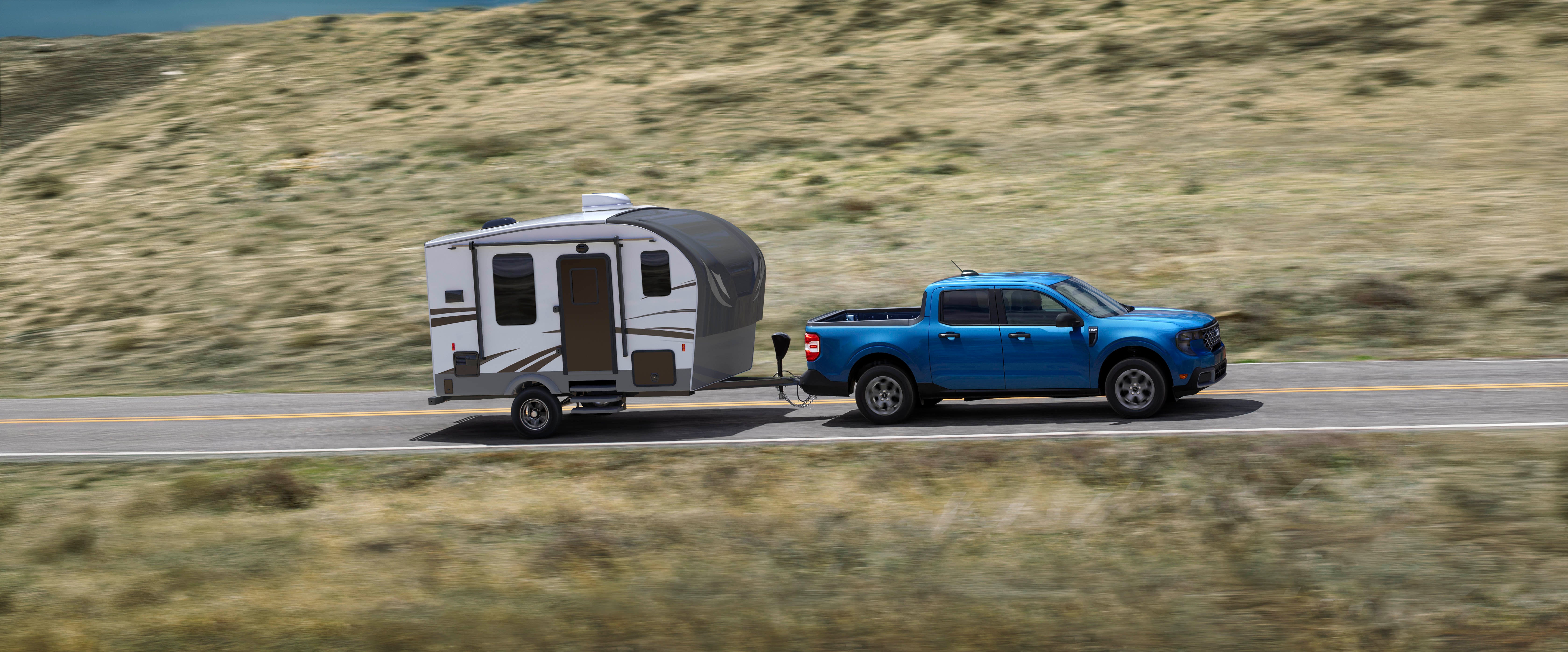
Truck capability is often discussed in numbers, but those numbers can be misunderstood if buyers are not clear on what they represent. Towing capacity and payload rating measure different types of strength, and confusing the two can lead to choosing the wrong truck for the job. For drivers comparing work and lifestyle needs, understanding Ford towing capacity helps clarify what a truck can safely handle on the road.
The Difference Between Towing and Payload
Towing capacity refers to how much weight a truck can pull behind it, such as a trailer, boat, or equipment hauler. Payload, on the other hand, measures how much weight the truck can carry in and on itself. This includes passengers, cargo in the bed, and added accessories.
Ford truck payload capacity becomes especially important for drivers who regularly haul tools, materials, or equipment directly in the truck bed. While towing focuses on what follows the truck, payload focuses on what the truck supports. Both ratings matter, but they serve different purposes depending on how the vehicle is used.
What Determines Tow Rating
Tow ratings are influenced by several factors, including engine power, transmission strength, axle ratios, and cooling systems. The truck’s frame and suspension also play a role in maintaining stability under load. These components work together to define Ford towing capacity for each configuration.
Why does configuration matter so much? Cab style, bed length, and drivetrain options can all affect how much weight a truck can safely tow. This is why two trucks that look similar may have very different tow ratings depending on how they are built.
What Affects Payload Limits
Payload ratings are calculated by subtracting the truck’s curb weight from its gross vehicle weight rating. The heavier the truck itself, the less capacity remains for cargo and passengers. Features such as four wheel drive, larger cabs, and additional equipment can reduce available payload.
Understanding Ford truck payload capacity helps drivers avoid overloading their vehicle. Exceeding payload limits can affect braking, steering, and suspension wear over time. This is particularly relevant for trucks used in construction, landscaping, or service work where loads vary day to day.
Choosing the Right Rating for Your Needs
Selecting the right truck starts with identifying how weight is applied. Drivers who tow trailers regularly should prioritize towing ratings, while those who carry heavy loads in the bed should focus on payload limits. Some buyers need a balance of both.
Is a higher rating always better? Not necessarily. Choosing more capability than needed can impact ride quality and efficiency. Matching real world usage to the appropriate Ford towing capacity ensures the truck performs well without unnecessary tradeoffs.
How Ratings Work Together
Towing and payload are connected, not independent. Adding passengers or cargo reduces the remaining capacity available for towing. This interaction is why understanding both ratings together is essential.
At D&D Ford, shoppers often compare configurations side by side to see how ratings change based on equipment and layout. This approach helps drivers understand Ford truck payload capacity in the context of their towing needs rather than viewing the numbers in isolation.
Frequently Asked Questions About Towing and Payload Ratings
What happens if I exceed towing or payload limits?
Exceeding limits can affect handling, braking, and long term durability, increasing safety risks.
Do passengers count toward payload?
Yes. Passengers, cargo, and accessories all count toward total payload.
Can the same truck have different tow ratings?
Yes. Engine choice, drivetrain, and configuration all influence tow capacity.
Should I choose a truck based on my heaviest load?
Planning for your heaviest typical load helps ensure safe and consistent performance.