Long-Term Ownership Costs of Ford Trucks Explained
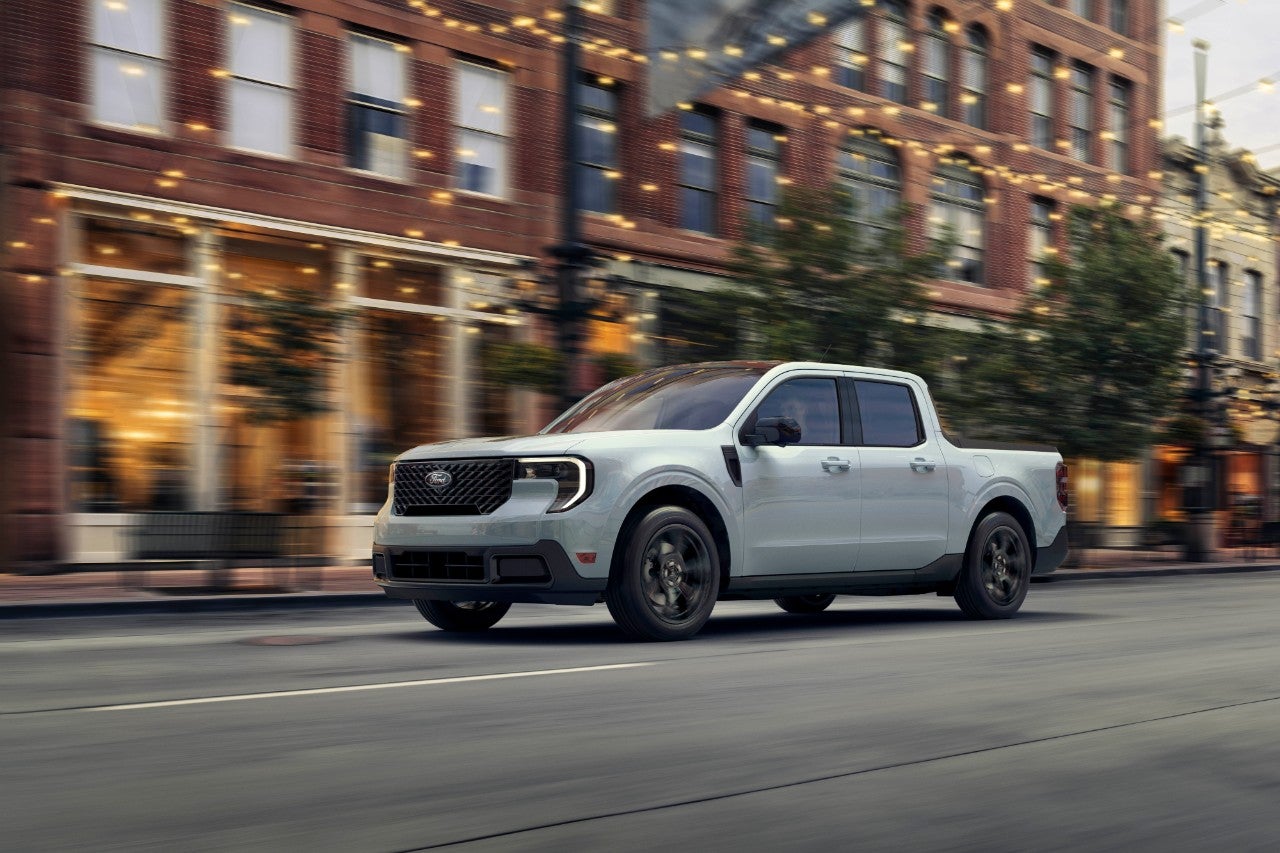
Buying a truck is not just about the purchase price. For most drivers, the real decision comes down to what ownership looks like over five, ten, or even fifteen years. Fuel, maintenance, repairs, insurance, and resale value all shape the true cost of owning a truck. Understanding these factors upfront helps buyers choose a vehicle that fits their long-term plans, not just their immediate needs.
At D&D Ford, many customers researching trucks for sale near me want clarity around what they are signing up for beyond the first few years. Ford trucks have earned a reputation for durability, but long-term ownership costs still vary based on how the truck is used, which model you choose, and how well it is maintained.
Purchase Price and Depreciation Over Time
The initial cost of a truck sets the foundation for long-term ownership. Ford offers a wide range of trucks, from work-focused configurations to higher trims with advanced technology. While higher trims cost more upfront, they often retain value better due to demand for comfort, safety features, and towing capability.
Depreciation slows significantly after the first few years of ownership. This is where Ford trucks tend to perform well. Strong brand loyalty and widespread demand help maintain resale value. Buyers searching for a Ford truck for sale typically consider how long they plan to keep the vehicle and whether resale value will matter or not down the road.
Fuel Costs Based on Real Usage
Fuel is one of the most predictable ownership expenses, yet it varies widely depending on driving habits. Daily commuting, towing, off-road use, and highway driving all affect fuel consumption. Ford offers multiple engine options across its truck lineup, including EcoBoost engines and hybrid configurations designed to balance power with efficiency.
How much you drive each year matters more than small differences in fuel economy. A truck used primarily for weekend projects will have very different fuel costs than one used for daily work travel. This is a key consideration when evaluating trucks for sale and deciding which configuration makes sense for your routine.
Maintenance and Service Expectations
Routine maintenance is one of the most controllable long-term costs. Oil changes, brake service, tire rotations, and fluid checks are part of owning any truck. Ford trucks are designed with serviceability in mind, which helps keep routine maintenance predictable when schedules are followed.
What happens if maintenance is delayed or skipped? Costs tend to rise quickly. Preventive service helps reduce wear on major components and extends overall vehicle life. Buyers evaluating a Ford truck for sale often ask how long they can realistically expect the truck to last. With proper care, many Ford trucks remain dependable well beyond 150,000 miles.
Repair Risk and Component Longevity
No vehicle is immune to repairs, but design choices matter. Ford trucks are built with heavy-duty frames, proven transmissions, and components designed for repeated use under load. This contributes to lower risk of major failures when trucks are used within their intended capacity.
Do trucks cost more to repair than cars? In some cases, yes, especially when larger components are involved. However, fewer major failures over time can offset higher individual repair costs. This is one reason long-term owners continue to look for trucks for sale near me within the Ford lineup.
Insurance and Ownership Variables
Insurance costs depend on trim level, usage, and driver history. Higher trims and specialty packages may increase premiums, while safety features and driver-assist systems can help reduce them. Ford trucks often include advanced safety technology that supports both confidence and insurability.
Ownership costs also vary by region and usage. Trucks used for business may qualify for tax considerations, while personal-use trucks have different cost structures. These factors are worth discussing when considering a Ford truck for sale for long-term ownership.
The Role of Resale Value
Resale value plays a major role in total cost of ownership, even for drivers who plan to keep their truck long-term. Strong resale reduces the effective cost of ownership by returning value at trade-in or sale. Ford trucks consistently perform well in resale markets due to reputation, availability of parts, and long service life.
Buyers looking at trucks for sale near me often underestimate how much resale matters. Even a few thousand dollars difference at the end of ownership can significantly change the overall cost picture.
Why Long-Term Thinking Matters
Choosing a truck without considering ownership costs can lead to frustration later. Fuel usage, service habits, and intended use all shape how affordable ownership feels year after year. Ford trucks offer flexibility across models and configurations, allowing buyers to align cost with capability.
At D&D Ford, helping customers understand long-term ownership is part of building trust. The right truck should support your work, your lifestyle, and your budget well beyond the first few years.
Frequently Asked Questions About Ford Truck Ownership
How long do Ford trucks typically last with proper maintenance?
Many Ford trucks reach well over 150,000 miles when routine maintenance schedules are followed consistently.
Are hybrid Ford trucks cheaper to own long-term?
Hybrid models can reduce fuel costs over time, especially for drivers with high annual mileage or frequent stop-and-go driving.
Do higher trims cost more to maintain?Maintenance costs are often similar, but repairs can be more expensive if advanced technology or specialty components are involved.
Does towing increase long-term ownership costs?
Yes. Frequent towing increases wear on brakes, tires, and drivetrain components, which should be factored into ownership planning.