

Choosing a Safe Vehicle for Teen Drivers: Ford Escape vs Explorer
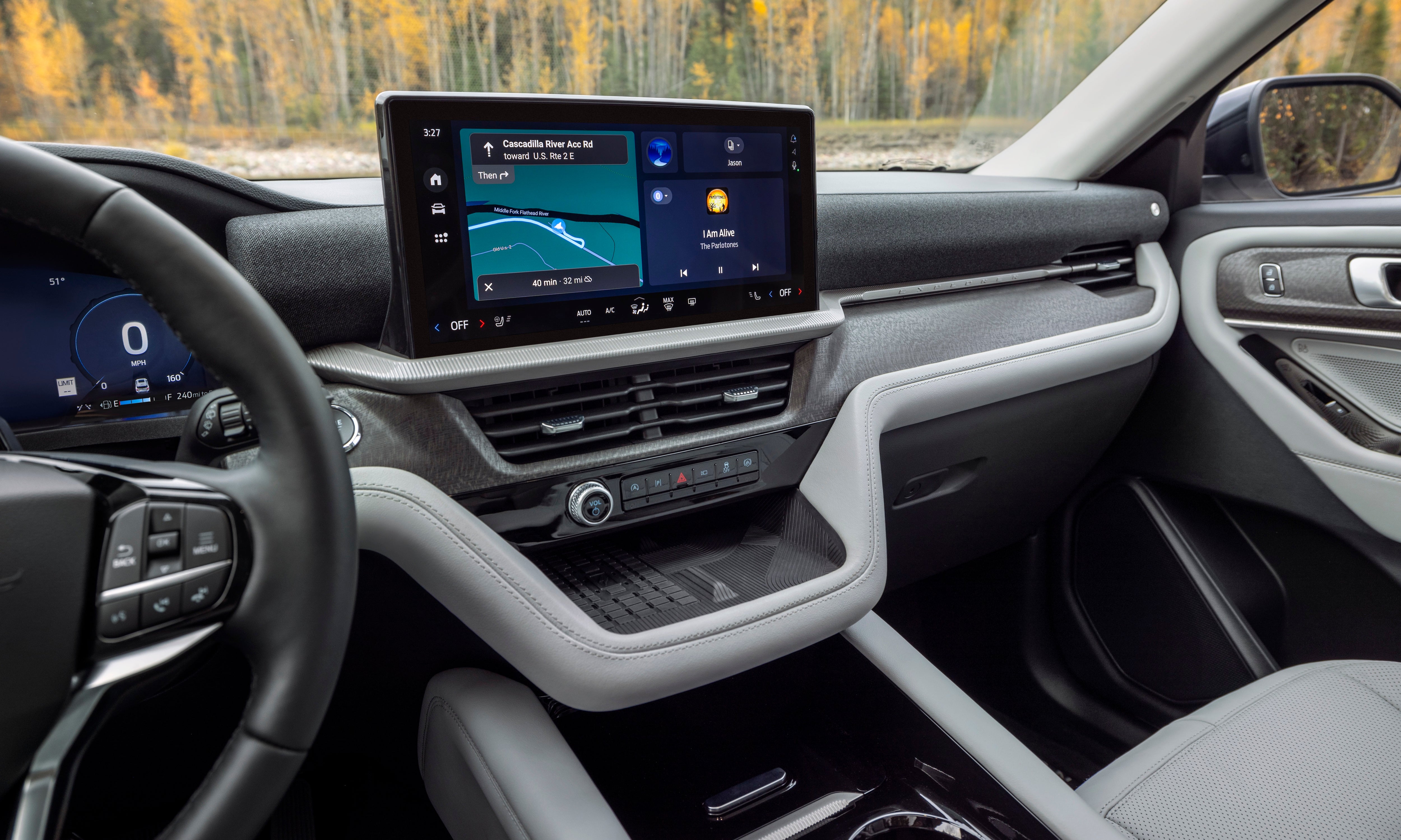
Choosing a vehicle for a teen driver is often about finding the right balance between safety, confidence, and everyday practicality. Two popular options often compared are the Ford Escape and the Ford Explorer. When evaluating the Ford Escape vs Explorer, understanding how size, safety features, and driving dynamics differ can help families determine which option best supports young drivers. Both models are frequently discussed among safe cars for teens, but they serve slightly different needs.
Why Safety Matters More for Teen Drivers
Teen drivers are still building experience, which makes vehicle design and safety technology especially important. Features that support awareness, stability, and accident prevention can help reduce risk during everyday driving situations such as merging, parking, and navigating busy roads.
When researching safe cars, parents often prioritize advanced driver assistance systems, strong crash ratings, and predictable handling. These elements work together to provide an added layer of confidence during the learning years.
Size and Maneuverability Differences
One of the first considerations when comparing Ford SUVs is size. The Escape is a compact SUV, making it easier to maneuver in tight spaces like school parking lots and neighborhood streets. Its smaller footprint can help new drivers feel more comfortable during daily driving.
The Explorer is larger and offers more interior space, which can be appealing for those needing room for passengers or gear. However, larger size also means a wider turning radius and more vehicle mass to manage. For some teens, the Escape may feel less intimidating, while others may adapt quickly to the Explorer with proper guidance.
Safety Technology and Driver Assistance
Both vehicles are equipped with modern safety features designed to support driver awareness. Systems such as blind spot monitoring, lane keeping assistance, and automatic emergency braking help drivers respond to changing conditions.
How much do these features matter for teen drivers? For families comparing safe cars for teens, technology that helps prevent accidents can be just as important as crash protection. When evaluating the Ford Escape vs Explorer, it is helpful to look at how standard and available safety systems align with a teen’s driving environment.
Ride Comfort and Daily Usability
Comfort plays a role in keeping drivers focused and relaxed. Supportive seating, good visibility, and intuitive controls all contribute to a positive driving experience. The Escape offers a comfortable ride with easy access to controls, which can help teens stay attentive on shorter commutes.
The Explorer provides more space and a smoother ride for longer trips. For families who plan to share the vehicle or take frequent road trips, this added comfort may be a factor, because comfort supports focus and reduces fatigue.
Power and Performance Considerations
Performance affects how a vehicle responds in everyday situations like merging onto highways or navigating traffic. The Escape delivers responsive handling that suits urban and suburban driving. Its power delivery is typically easier for new drivers to manage.
The Explorer offers stronger performance and towing capability, which may be more than a teen driver needs early on. When comparing vehicles, many parents consider whether added power is necessary or if a more controlled driving experience is preferable during the learning phase.
Matching the Vehicle to Your Teen’s Needs
Every teen driver is different. Some feel confident quickly, while others benefit from a smaller and more forgiving vehicle. The right choice depends on driving experience, typical routes, and family priorities.
At D&D Ford, families often compare the Escape and Explorer side by side to see which model feels like the better fit. This hands on approach helps parents choose safe cars for teens with a clear understanding of how the Ford Escape vs Explorer differ in real world use.
Frequently Asked Questions About Choosing a Vehicle for Teen Drivers
Is a smaller SUV safer for teen drivers?
Smaller SUVs can be easier to maneuver, which may help teens feel more confident, but safety depends on features and driving habits.
Does vehicle size affect safety ratings?
Size can influence crash dynamics, but modern safety technology and design also play major roles.
Are driver assistance features enough to protect teen drivers?
They help reduce risk, but they work best alongside proper driving education and supervision.
Should teens drive the same vehicle as parents?
Some families prefer shared vehicles, while others choose a model tailored specifically to a teen’s experience level.